Learning Center
Explore helpful articles about buying a home, refinancing, home equity, and second mortgages.
Reasons Why You Should (or Shouldn't) Refinance Your Home

Many homeowners wonder, "Should I refinance my mortgage?"—especially when interest rates are low. The decision depends on various factors, including the interest rate on your current mortgage, how long you plan to stay in your home, how many years remain on your loan, and your overall financial situation.
Check out our list of refinancing questions below. Answering these questions can help you determine if refinancing your mortgage is the right choice for you. Keep in mind that refinancing may increase the total finance charges over the life of the loan.
Are Today's Rates Low Compared to Your Current Rate?
When considering refinancing, the key question is not whether today's rates are low compared to historical rates but whether they are lower than your current mortgage rate.
Financial advisors offer various rules of thumb regarding how much lower rates should be before considering a refinance. We recommend using our home refinance calculator, which can show you how changes in your interest rate and other mortgage terms might affect your monthly payments and potential savings in interest over the life of the loan.
How Long Do You Plan to Keep Your Home?
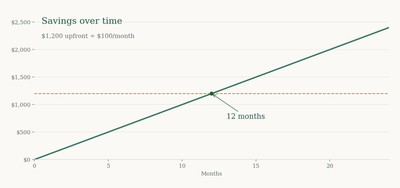
Refinancing may not be a sound choice if you plan to sell your home soon. This is because refinancing involves upfront closing costs, which you either pay in cash or add to your loan amount. The benefits of refinancing typically accrue over time, making it necessary to "break even" on your closing costs. For instance, if you save $100 per month by refinancing and incur $1,200 in closing costs, it will take you twelve months to break even before you start saving.
How Many Years Are Left on Your Mortgage?
Compare your remaining balance, interest rate, payment schedule, and time left on the existing loan with the proposed refinance. On an amortizing mortgage, early payments contain more interest because the outstanding balance is larger—not because all interest is charged upfront. A new longer term can increase total interest even when the monthly payment falls.
If you are close to paying off your mortgage, evaluate a shorter refinance term or additional principal payments instead of automatically restarting a long term. Having less than 15 years remaining does not by itself make refinancing a bad choice; compare future interest and costs from today forward.
Ask eCash Mortgage whether an available refinance term fits your remaining repayment timeline and budget.
Are You Paying Mortgage Insurance?
If you have a conventional loan, refinancing may allow you to eliminate private mortgage insurance (PMI), provided you have at least 20% equity in your home. It's important to note that you don't necessarily need to refinance to remove PMI; you can request your lender to remove it once you meet the necessary criteria.
For FHA loans, different rules apply regarding mortgage insurance premiums (MIP). If you initially financed your home with an FHA loan, you may need to refinance into a different loan type to eliminate MIP payments. Learn more about ways to stop paying mortgage insurance.
Do You Have Good Credit?
Having good credit can enhance your chances of getting approved for a refinance. A strong credit score often leads to better interest rates. Lenders may offer you a lower rate if your credit score is high, while a lower score might result in higher rates than those you see advertised.
Should You Refinance an FHA Loan?
FHA loans also offer a streamline program, which can simplify the refinancing process when it makes sense for you. FHA streamline refinances generally require less paperwork and provide more flexible credit terms compared to conventional loans. However, you will still need to pay new mortgage insurance premiums, which include an upfront premium payable at closing (or added to your loan amount) and monthly premiums included in your mortgage payment.
eCash Mortgage provides this information for educational purposes. It is not personalized investment, tax, or financial advice. Consult a qualified professional before making a significant financial decision.