Learning Center
Explore helpful articles about buying a home, refinancing, home equity, and second mortgages.

Learn How Many Times Refinancing Your Home Makes Sense
In theory, you can refinance your home as often as you can get a lender to approve a new loan. In practice, you should only refinance when it makes financial sense and is worth your time. Each refinancing typically incurs closing costs, so it's essential to ensure that these costs are justified by obtaining a better rate or improved terms. While there is generally no limit on the frequency of refinancing, the key is to refinance only when it is financially advantageous for you.
How Does Your Break-Even Point Affect How Often You Can Refinance?
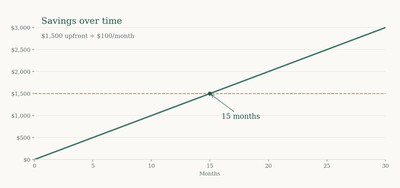
For a simple cash-flow illustration, if eligible refinance costs are $1,500 and the comparable monthly payment falls by $100, the basic break-even period is 15 months. That calculation does not account for loan-balance changes, term extensions, taxes, or the time value of money. Refinancing again before that point does not automatically prove the new transaction is a loss; compare both options from today forward.
Keep in mind that refinancing can lead to higher total finance charges over the life of the loan. Evaluating your break-even point can help you determine whether refinancing makes sense for your financial situation.
How Does Net Tangible Benefit Affect How Often You Can Refinance?
Some refinance programs require a defined net tangible benefit, such as an eligible payment or rate improvement. The definition depends on the program; meeting a benefit test does not waive seasoning, payment-history, or other approval requirements. Compare the overall costs and savings even when no specific program test applies.
How Does Seasoning Affect How Often You Can Refinance?
Seasoning refers to a minimum period that may apply before refinancing. Lenders also review payment history and other eligibility requirements; completing a waiting period does not by itself establish that refinancing will be beneficial. Seasoning requirements vary by loan type, so let's explore how they apply to different types of loans.
How Often Can You Refinance a Conventional Mortgage?
Conventional rate-and-term or limited cash-out refinances do not all have a universal six-month waiting period. For Fannie Mae cash-out transactions, an existing first mortgage being paid off generally must be at least 12 months old, while at least one borrower generally must have held title for six months, subject to exceptions. Other investors, lenders, and state rules can differ. Confirm both loan-age and ownership requirements for your transaction.
How Often Can You Refinance an FHA Loan?
FHA streamline refinances generally require at least six payments, at least six full months since the first payment due date, and at least 210 days since the prior mortgage closed, measured for the applicable FHA case-number assignment. Payment-history and net-tangible-benefit requirements also apply. There is no guaranteed entitlement to refinance repeatedly.
FHA cash-out refinances generally have a 12-month ownership-and-occupancy requirement, subject to specific exceptions, and payment-history requirements. Other FHA refinance types have different rules. Ask your lender which requirements apply instead of assuming every FHA refinance has the same waiting period or benefit test.